Seven Major Forms of Photographic Storytelling
Abstract
This guide sets out the seven major forms of photographic storytelling: single image, photo series or sequence, photo story, photo experience, photo article, photo essay and photo novel. For each form it gives the question the form answers, its voice, writing style and structure, where the images sit and how captions and cutlines are written, with a page layout and a teaching example. It closes with how chapters in different forms join into one book with one idea. The framework comes from the authors' teaching at Creative Hut Academy.
Keywords: Photographic storytelling; photo story; photo essay; photo article; photobook
What is photographic storytelling?
Short answer. Photographic storytelling is telling a story, a set of facts or an idea through photographs and the words placed with them. The form you choose decides the voice, the structure, how many images you need and where they sit.
Photographic storytelling is telling a story mainly through photographs. If the photographs carry the story, it is one of the seven forms; if the text carries it and the photograph only supports it, the page is a report with a photograph.
- The seven major forms of photographic storytelling are a teaching framework by Abin Alex, developed over 25 years of teaching at Creative Hut Academy. Each form answers a different question, and Table 1 compares them side by side.
- Single image: one photograph that carries its whole message on its own.
- Photo series or sequence: a group of photographs on one subject. In a sequence the order is fixed.
- Photo story: what happened, told in order from outside the event.
- Photo experience: how an event felt to the photographer, told in first person.
- Photo article: the researched facts of a topic, with photographs that illustrate each fact.
- Photo essay: one claim, argued with images that each add new evidence.
- Photo novel: a fictional story in photographs, with speech balloons, thought bubbles and narration boxes.
Who carries the story? Before you name a form, ask who carries the story. If the photographs carry it, the page is photographic storytelling and one of the seven forms applies. If the text carries it and the photograph only supports it, the page is a news report with a photograph, as on most newspaper pages. Name the photograph's form by counting the images, but call the page a report.
Cham tip
Use AI to help you tell the story
The prompts that read your photographs and write your piece are kept in their own guides. Start with Sorting Your Photographs with AI, learn how a prompt is built in Prompt Creation for Photographers, then use the ready prompts in Prompts for Photographic Storytelling. The 5 C's method and the Seven Major Forms are by Abin Alex, Creative Hut Academy.
Cham advanced tip: read the image first
The 5 C's in Photography are a teaching framework by Abin Alex, developed over 25 years of teaching at Creative Hut Academy. They work in three stages: Stage I, capturing; Stage II, editing; Stage III, reading. Here you use Stage III, reading. Before you read, label each photo with its Subject, Space and Setting. Then read each C in turn, using your labels, and write one sentence for each in subject, action, object form:
- Components: what is in the frame, named exactly, and where each element is set: foreground, midground, background and space. Connect each one to the main subject.
- Composition: how those elements are arranged, and what importance that gives the main subject.
- Contrast: where the light falls, what it highlights and what it leaves in shadow.
- Clarity: what is sharp and what is soft. Shallow depth of field isolates one subject; large depth of field keeps everything sharp, so the weight goes to every part.
- Colour: which colours lift the subject, and the association they point to. A colour is an association, not proof of a feeling.
Check each line the AI drafts against your photograph. The reading must show what your photograph shows, not what the AI guesses. The full method, with the cutline, the caption and the point note, is in Reading a Photograph: Caption and Cutline.
Cham instructionThe AI drafts, you decide. Check every fact, rewrite the draft in your own words and add what only you saw. Never hand in text you cannot explain. If AI helped, say so in your credit line, for example “Drafted with AI assistance”.
Cover the text. If the story is lost, the text carries it; if the story stays, the photographs carry it. Decide the form before you shoot, because it sets how many pictures you need and how you write.
- Cut out one newspaper page with a photograph.
- Cover the text and decide whether the photograph or the text carries the story.
- Choose one subject of your own and write which of the seven forms fits it, and why.
How do the seven forms compare?
Short answer. Four labels keep the forms apart: the question it answers, the voice, the writing style and the structure.
The seven forms are told apart by four labels: the question each answers, the voice it uses, its writing style and its structure.
Table 1. The seven major forms compared.
Every form takes a title and a byline. Every form takes a one-line Summary of 80 to 150 characters except two: a single image has an optional title and no Summary, and a photo novel has an optional tagline instead.
Body shapes
Four shapes a body of text can take
Inverted pyramid
The most important fact first, then detail, then background.
Pyramid
A small start that builds to a peak, then resolves.
Hourglass
A wide opening with the claim, a narrow middle of evidence, a wide close on meaning.
Chronological
Strict time order.
Figure 1. Four shapes a body of text can take.
When two forms seem to fit, compare the voice first. It usually settles the choice.
- Pick two forms from Table 1.
- Write the four labels that separate them.
- Decide which label settles the choice fastest.
What is a single image?
Short answer. A single image is one photograph that carries its whole message on its own. It is described either with a caption and cutline, or with one paragraph, and never with an introduction, body and conclusion. In a newspaper it is usually the photograph beside a report, where the text carries the story.
A single image is one photograph that carries its whole message on its own, described with a caption and cutline or one paragraph, never with an introduction, body and conclusion.
Example
Morning rush:
A conductor counts coins on a tram near Esplanade in Kolkata on Monday.
13 words, no “I”, and it runs who and what, then where, then when. In a book, “on Monday” becomes a date.
Cham case study
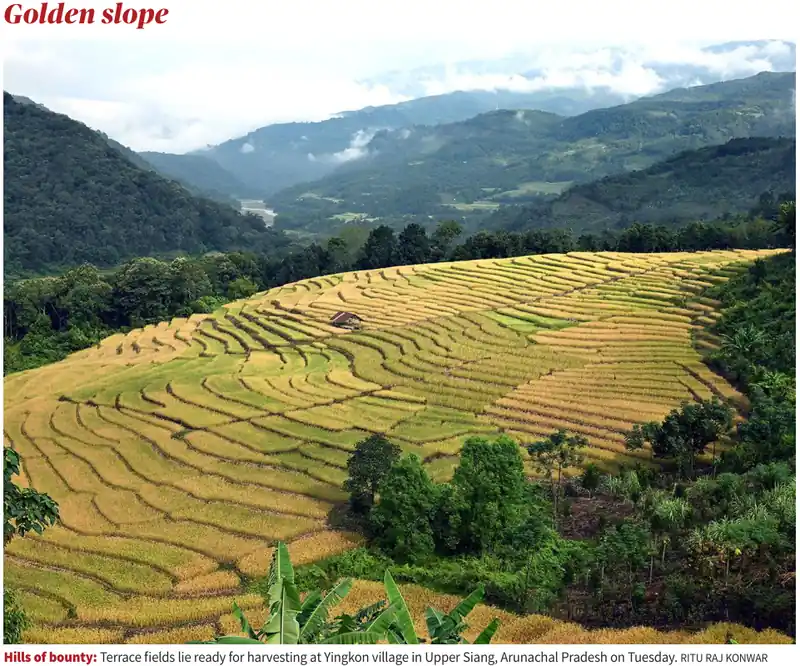
Figure 2. A single image in The Hindu
- Title
- Golden slope, set above the photograph.
- Caption
- Hills of bounty: bold, ends with a colon and names the mood.
- Cutline
- Third person, present tense, running what, then where, then when.
- Credit
- Ritu Raj Konwar, placed after the cutline.
Click the image to enlarge. The Hindu, 4 November 2026 (Konwar, 2026).
Cham case study
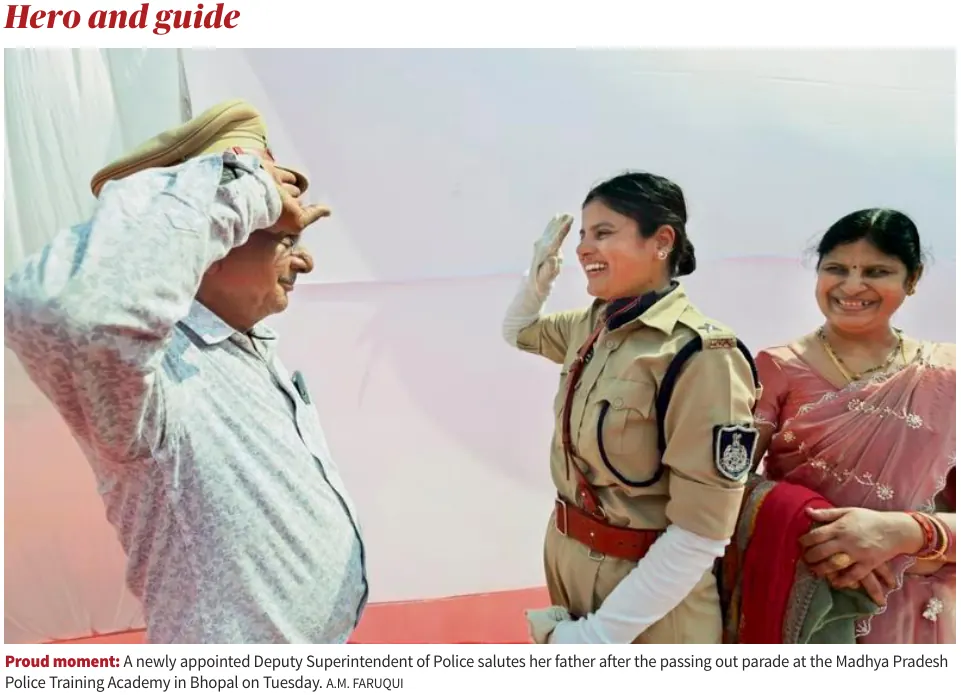
Figure 3. A model single image in The Hindu
- Title
- Hero and guide, set above the photograph.
- Caption
- Proud moment: names the feeling of the frame.
- Cutline
- One sentence: who (a new Deputy Superintendent of Police), what (salutes her father), where (Madhya Pradesh Police Training Academy, Bhopal), when (Tuesday).
- Credit
- A.M. Faruqui, after the cutline.
Click the image to enlarge. The Hindu, 4 November 2026 (Faruqui, 2026).
Cham case study
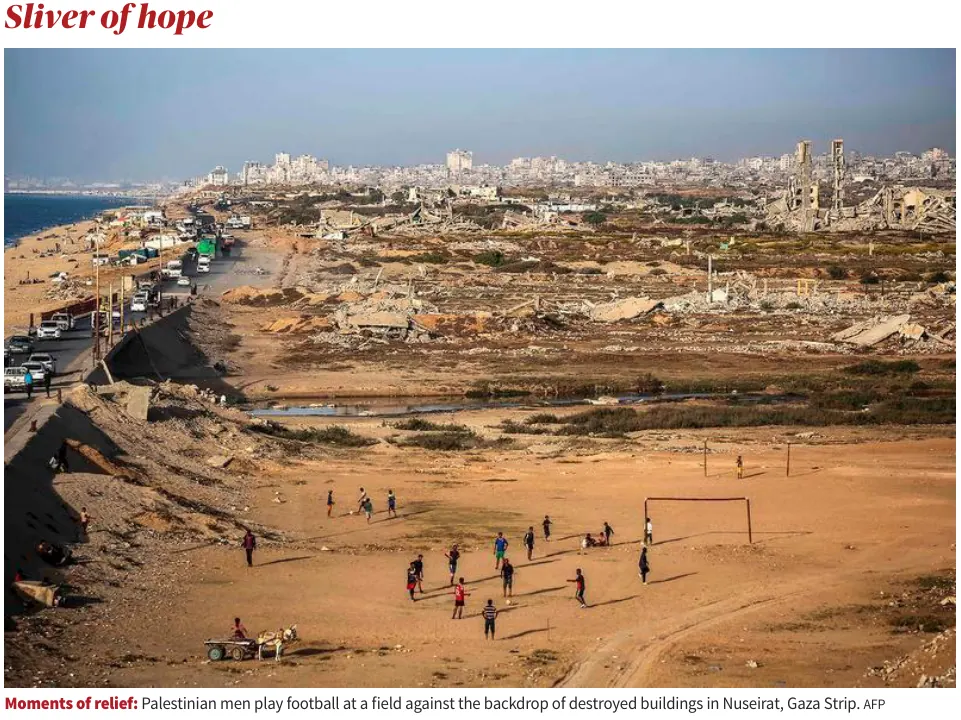
Figure 4. Check yourself: what is missing?
- Title
- Sliver of hope.
- Caption
- Moments of relief:
- Cutline
- Palestinian men play football at a field against the backdrop of destroyed buildings in Nuseirat, Gaza Strip.
- Credit
- AFP.
Which part of the inverted pyramid is missing from the cutline?
When. The cutline gives who, what and where, but no day or date.
Click the image to enlarge. The Hindu, 4 November 2026 (AFP, 2026).
Caption and cutline examples
The caption is a short bold label. The cutline says who and what, then where, then when.
Read your cutline aloud. If it needs a second sentence, the photograph is not doing its job.
- Shoot one frame of a street scene.
- Write its caption, cutline and credit.
- Read the cutline aloud and cut it to one sentence if you can.
What is a photo series or sequence?
Short answer. A series is a group of photographs on one subject where each image can stand alone. A sequence is a group where the images need each other in a fixed order.
A photo series is a group of photographs on one subject in which each image can stand alone. A sequence is a group in which the images need each other in a fixed order.
Example (series)
Trams of Kolkata
Six frames of Kolkata's trams, from the depot at dawn to the last run at night.
Depot dawn:
A tram waits at Esplanade in Kolkata, 12 March 2026.
Caption and cutline examples
In a book every image gets a caption and cutline. In a newspaper one cutline can cover the whole set.
Keep one style across every frame: the same lens, light and distance.
- Choose one subject and make five frames of it.
- Keep one style across all frames: the same lens, light and distance.
- Give each a caption and test whether the set works in any order.
What is a photo story?
Short answer. A photo story tells what happened, in order, from outside the event. It has a beginning, a middle and an end, carried by the images, the captions and a short narrative text.
A photo story tells what happened, in order, from outside the event. It has a beginning, a middle and an end, carried by the images, the captions and a short narrative text.
Example
The Last Run
On his final day, a tram conductor works the route he has worked for thirty years.
First ticket:
The conductor punches the first ticket of the morning at Esplanade in Kolkata.
The last stop, with passengers waiting to shake his hand.
Caption and cutline examples
The caption names the moment in the story. The cutline is in present tense.
Shuffle your prints. If the story still works, you have a series, not a story.
- Choose an event near you.
- Plan five beats: scene, two rising moments, peak and resolution.
- Shoot them and test whether the story still works when shuffled.
What is a photo experience?
Short answer. A photo experience shows how an event or place felt to the photographer, who is a character in it. It is told in first person and says so on the opener.
A photo experience shows how an event or place felt to the photographer, who is a character in it. It is told in first person and says so on the opener.
Example
A personal account
My First Tram Ride
A first ride on a Kolkata tram, and what it taught me about slowing down.
My seat:
I take the window beside the driver and watch the city pass.
Caption and cutline examples
The only form where “I” is allowed in the caption and cutline.
Say on the opener that you are in the story, so the reader knows the voice from the first line.
- Choose a day that changed you.
- Select three photographs from it.
- Write a first person caption for each and say on the opener that you are in the story.
What is a photo article?
Short answer. A photo article reports the facts of a topic in researched text, with photographs that illustrate each fact and a list of sources.
A photo article reports the facts of a topic in researched text, with photographs that illustrate each fact and a list of sources.
Example (structure only, the figures are placeholders)
Kolkata's Trams: What Is Left
Kolkata runs [number] tram routes [source], the last such network in India [source].
Route length, daily riders and fare [source].
When the network began [source].
Listed on the final page.
Cham case study
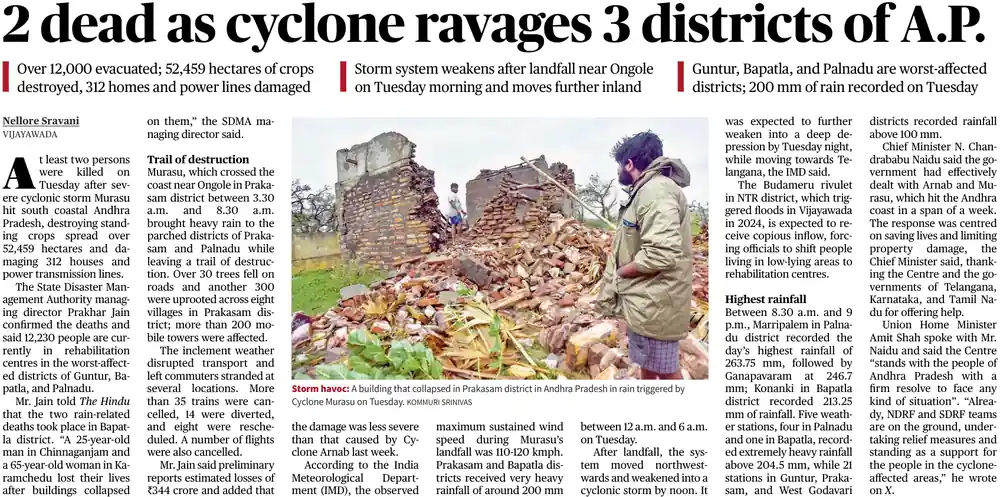
Figure 5. A photo article in The Hindu
- Headline and decks
- The main facts first: deaths, evacuations, crops and homes.
- Sources
- Every figure is attributed: the SDMA, the IMD, the Chief Minister.
- Photograph
- Placed within the text, proving one fact.
- Caption and cutline
- Storm havoc: then who, what, where and when. Credit: Kommuri Srinivas.
Click the image to enlarge. Report by Nellore Sravani, The Hindu, 4 November 2026 (Nellore, 2026).
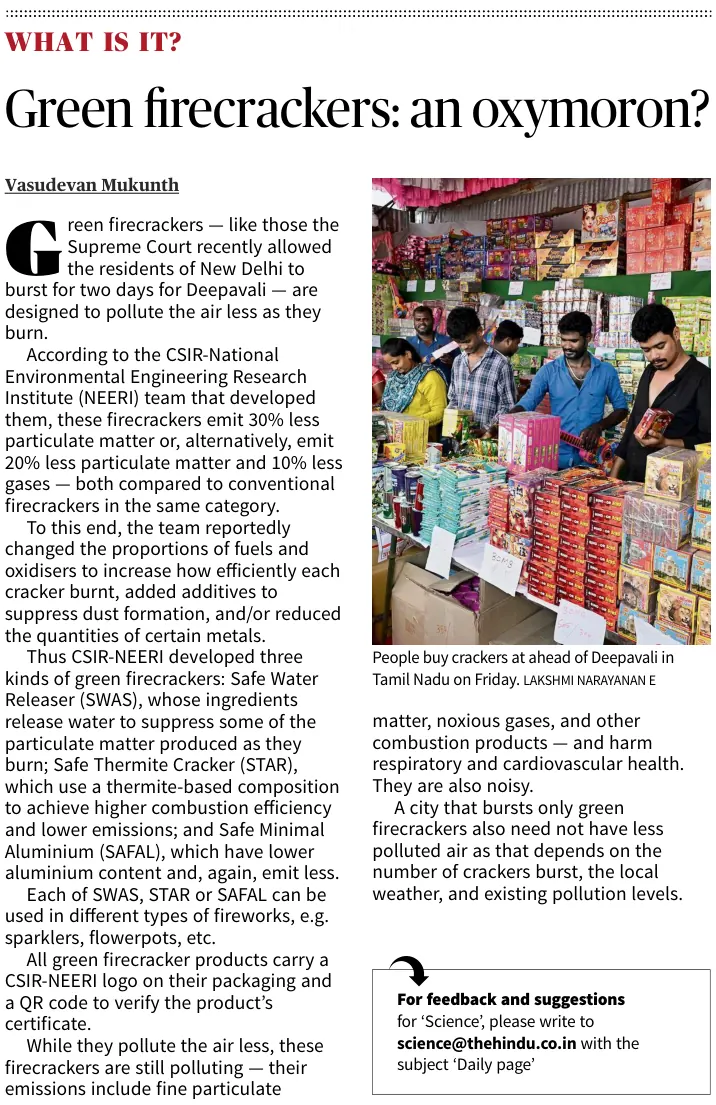
Cham case study
Figure 6. A contrast: the photograph proves nothing
- Text
- Expository and sourced: every claim about green firecrackers comes from CSIR-NEERI.
- Photograph
- A crowd at a cracker stall. It proves none of the facts in the text.
- Cutline
- No caption label, and an error: "buy crackers at ahead of Deepavali".
- Lesson
- In a photo article each photograph must prove a fact, as in Figure 5.
Click the image to enlarge. Report by Vasudevan Mukunth, photograph by Lakshmi Narayanan E, The Hindu, 4 November 2026 (Mukunth, 2026).
Caption and cutline examples
Every word must be a fact someone can check. Figures need a source at the end of the book.
Place each photograph beside the fact it proves.
- Choose one local subject and research it.
- List three facts, each with a source.
- Make a photograph for each fact and place it beside the fact it proves.
What is a photo essay?
Short answer. A photo essay argues one claim. The text states the claim and each image adds a new piece of evidence for it.
A photo essay argues one claim. The text states the claim, and each image adds a new piece of evidence for it.
Example (the claim is the author's argument, not a fact)
Slow Is a Choice
Kolkata keeps its trams because the city still values slow time.
Passengers waiting without hurrying, a tram sharing the road with cars, a conductor who knows every regular.
The congestion trams cause.
What a slow city offers.
Caption and cutline examples
The caption names the idea. The cutline is the student's own sentence, or a quotation with the name of the person who said it.
Write the claim in one sentence first. Drop any image that does not add new evidence.
- Write one claim in one sentence.
- Choose three photographs, each proving a different part of it.
- Drop any image that does not add new evidence.
What is a photo novel?
Short answer. A photo novel is a fictional story told in photographs, with speech balloons, thought bubbles and narration boxes, in the style of a comic.
A photo novel is a fictional story told in photographs, with speech balloons, thought bubbles and narration boxes, in the style of a comic.
Example
Next Stop
ESPLANADE, 7 A.M.
A conductor says, “Ticket, please.”
A passenger has no change.
A child quietly pays.
The conductor smiles and tears the ticket.
Caption and cutline examples
No caption and no cutline. The words go inside balloons and boxes.
Get consent from everyone you photograph before you stage a scene.
- Write a short fictional scene with two characters.
- Plan a four panel page with one narration box, two speech balloons and one thought bubble.
- Get consent from everyone you photograph, then stage and shoot the scene.
How does one book hold one idea?
Short answer. A book is one theme in one design system. Each chapter uses one form, one voice and one caption style, and each chapter shows one side of the same idea.
A photobook holds one theme in one design system. Each chapter uses one form, one voice and one caption style, and each shows one side of the same idea.
One idea in three sizes
Chapter title
The essence of that chapter, one idea
1 to 3 words, and not the subject
Theme sentence
What the book says, in one sentence
Appears on the theme page
Book title
The shared idea
1 to 3 words, on the cover
The chapters are the ingredients and the book is the dish. The book title does not join the chapter titles together. It names the idea they share.
Example: a book about waiting
Invented for teaching. The theme sentence is: “Waiting is how everything, people, products and animals, gets what it wants.” Read the chapter titles in order: Patience, Desire, Hunger. They move from calm to want to need, so the chapters form a chain and not three separate sets.
Book title
Say the book in one word, the theme in one sentence and each chapter in one word.
- Say your book in one word.
- Write its theme in one sentence.
- Name each chapter in one word.
How do you find a theme and join the chapters?
Short answer. A theme is one sentence. Every chapter answers it from a different angle.
A theme is a single sentence that the whole book answers. Every chapter answers it from a different angle.
Finding the theme
Lay out your 10 to 20 best images, as prints or a contact sheet.
Sort them into piles by what repeats: a place, a colour, a type of light, a feeling, a kind of person.
Name the biggest pile. That is the subject.
Finish the sentence “This book shows that ______.” The completed sentence is the theme, and the title comes from it.
Finding a story for each chapter
Connecting the chapters
How to explain it in class
For each chapter, ask “In one word, what is this chapter really about?” Do not accept the subject as the answer.
Write the chapter essences in a row and ask what they share. That shared idea is the book title.
Read the titles in order. If they do not move, reorder them, or write one bridge sentence at the end of each Summary pointing to the next chapter.
Check that no two chapters have the same essence. If they do, one chapter is a duplicate.
Final check: the student explains the book in one word (the title), one sentence (the theme) and one word per chapter (the essences). If they cannot do all three, the book is not yet one idea.
Three tests before the book is final
Cut test
Remove a chapter. If the theme still holds, that chapter does not belong.
Sentence test
Read each chapter Summary as an answer to the theme sentence. If it is not, reframe or cut it.
Order test
Swap two chapters. If nothing changes, the order is not yet built.
Start from what you keep noticing, not from what sounds important.
- List ten things you photographed this month.
- Find the idea they share and write it as one sentence.
- Name three chapters that each answer it from a different angle.
In what order do the pages of a student book go?
Short answer. Every form follows the same order, so the book reads as one object.
Page order is the fixed sequence of opening pages and parts that every form in the book follows, so the book reads as one object.
Front cover
Book title and student name, which is the byline.
Blank page
Title page
Title, byline and college logo.
Copyright page
Template supplied by the college.
Contents
Chapter title, category and page number.
Theme page
The theme sentence and one line per chapter.
Chapters
Running head: category on the left page, form on the right page.
Back cover
About the author in third person, a short first-person statement, self portrait, mentors, rights and college details.
Keep the same order in every chapter, so the book reads as one object.
- Lay out the opening pages of your book in the set order.
- Check that nothing is missing.
- Apply the same order to every chapter.
Next in the Library
Put it together: Photography Portfolio Book with AI →
Use Claude, ChatGPT or Gemini to turn your photographs into a portfolio book with this framework.
Questions students ask
Ask what the viewer should be able to answer at the end: what is here, what do I see, what happened, how did it feel, what are the facts, why, or what if. The question names the form.
Yes. One chapter uses one form, one voice and one caption style, and the whole book carries one theme in one design system.
In a series each image can stand alone on one subject. In a sequence the images need each other in a fixed order. Creative Hut teaches them as one form with this distinction.
The caption and cutline describe the subject for the reader, so the photographer stays out of the text. First person belongs to the photo experience, where the photographer is a character.
Fiction. The dialogue is imagined by the photographer, so the opener carries a “Staged story” label and every person shown must consent.
Not every one, but most. One photograph cannot be a series, a story, an article, an essay or a novel, which all need several images, so it is a single image by elimination. The page around it may still be a news report, where the text carries the story.
References
- AFP. (2026, November 4). Moments of relief [Photograph]. The Hindu (International ed.). https://epaper.thehindu.com/
- Faruqui, A. M. (2026, November 4). Proud moment [Photograph]. The Hindu (International ed.). https://epaper.thehindu.com/
- Konwar, R. R. (2026, November 4). Hills of bounty [Photograph]. The Hindu (International ed.). https://epaper.thehindu.com/
- Mukunth, V. (2026, November 4). Green firecrackers: An oxymoron? The Hindu (International ed.). Photograph by Lakshmi Narayanan E. https://epaper.thehindu.com/
- Nellore, S. (2026, November 4). 2 dead as cyclone ravages 3 districts of A.P. The Hindu (International ed.). Photograph by Kommuri Srinivas. https://epaper.thehindu.com/
How to cite this guide
Alex, A., & Joseph, A. (2026). Seven major forms of photographic storytelling: A guide for photographers. Creative Hut Academy. https://creativehut.org/library/photographic-storytelling/
Make this your craft at Creative Hut Academy
Creative Hut Academy in Mattakkara, Kottayam, Keralam teaches photography, cinematography, editing, sound and AI filmmaking in one-year residential diplomas. Students come from across India.
Want to talk? Message us on WhatsApp, or ask Cham, our AI mentor, a study doubt.