Home / AI Filmmaking / How to Become an AI Filmmaker
The roadmap
How to Become an AI Filmmaker
The honest path from zero to your first finished film, written for the industry as it is now. What to learn, in what order, and why human authorship is now the thing that separates a filmmaker from a prompter.
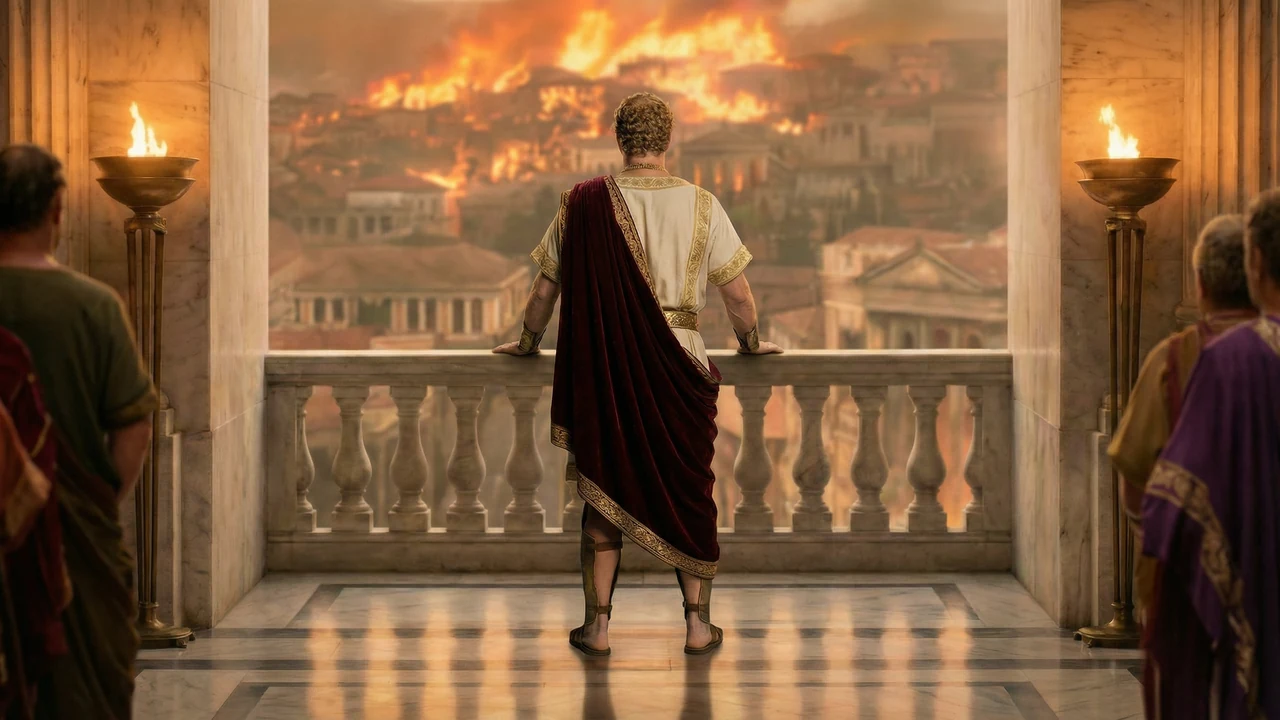
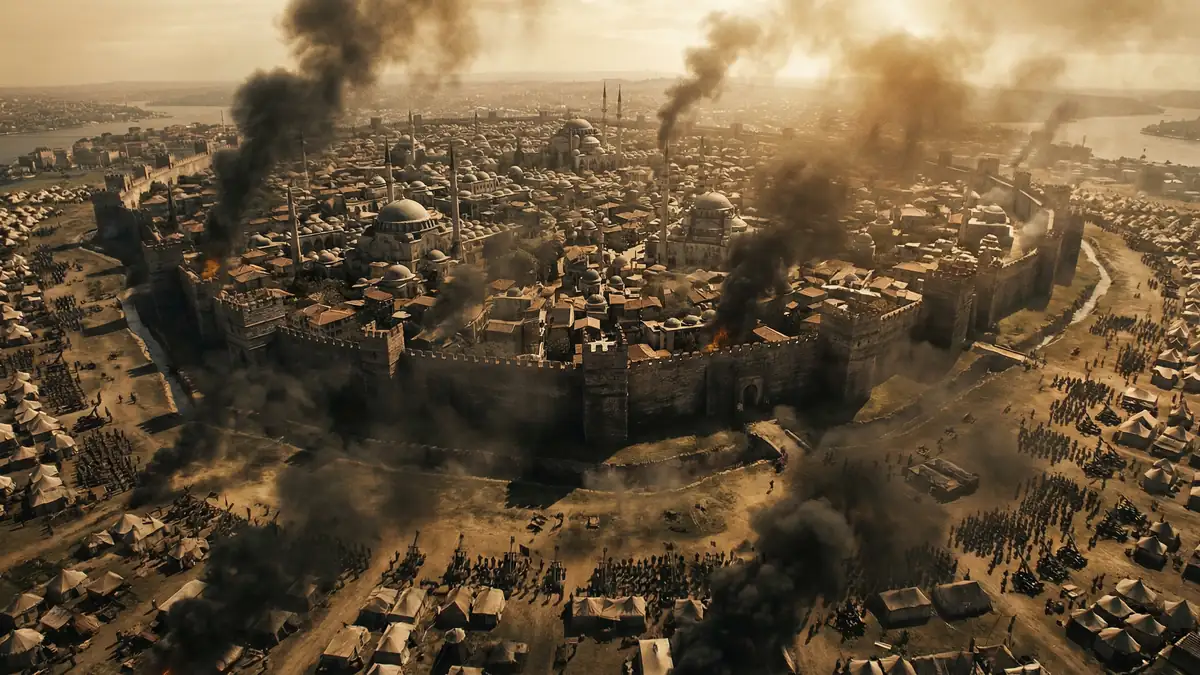
Rising Embers, frame
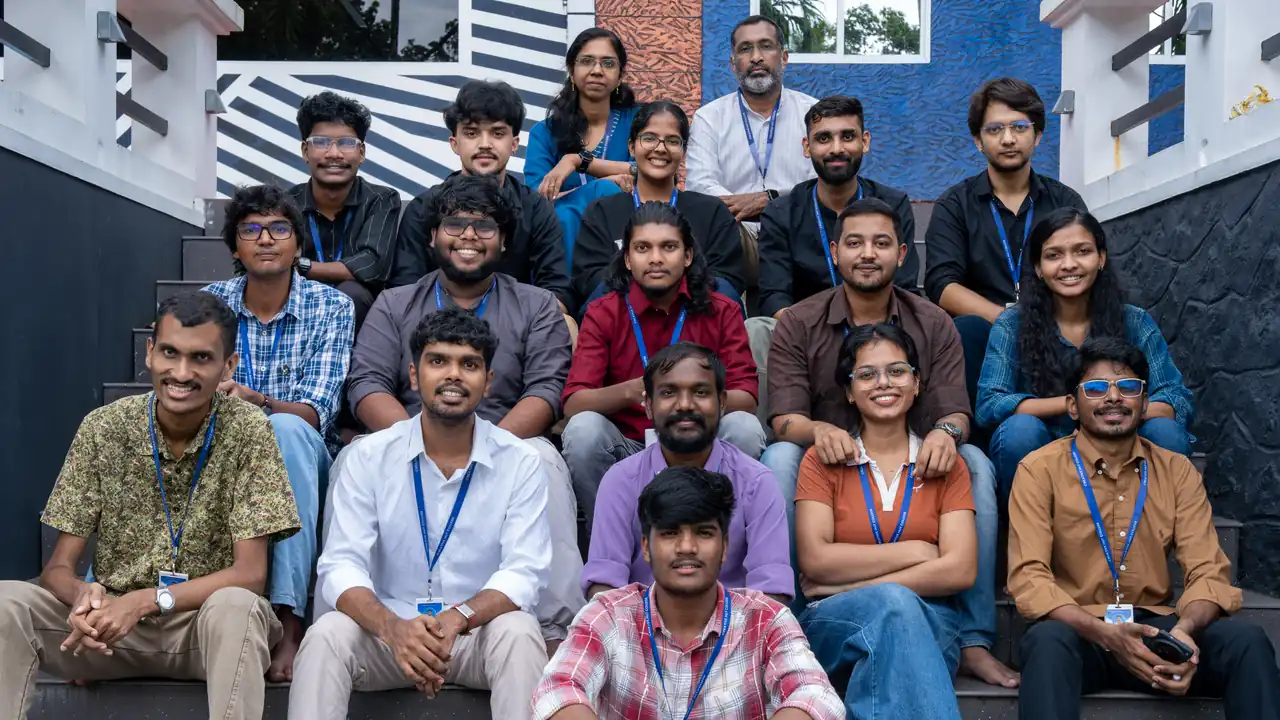
Students at work
The short answer
To become an AI filmmaker you learn the visual foundation first, master a full AI production pipeline, solve character and scene consistency, then finish one complete film, not clips. Build a portfolio, submit to AI film festivals, and turn it into paid work. You can self-teach it, or compress it into one structured residential year.
7
Steps to your first film
0
Prior experience needed
Dozens
AI film festivals worldwide
1 year
The structured route
What changed
Why the filmmaker beats the prompter
For three years the advantage went to whoever found the newest tool first. That window is closing, and the industry is writing human authorship into its rules.
01
Human authorship is now a rule
For the 99th Academy Awards, screenplays must be human-authored to be eligible, and acting performances must be credited in the film’s legal billing and demonstrably performed by humans with their consent.
The Academy can also ask how generative AI was used and how much human authorship a film carries.
Academy of Motion Picture Arts and Sciences, rules for the 99th Oscars, May 2026. Report
02
Disclosure is becoming a condition of release
The EU requires AI-generated and AI-manipulated video to be labelled from 2 August 2026, India’s amended IT Rules require synthetic content to be labelled, and YouTube asks creators to disclose realistic altered or synthetic media.
Being able to evidence how your film was made is turning into a professional requirement, not good practice. Streamers such as Netflix also publish generative AI rules for their production partners.
03
Copyright still needs a human
The US Copyright Office concluded in January 2025 that prompts alone do not give enough human control to make you the author of the output. Human choices in how outputs are selected, arranged and modified can still be protected.
One more reason to be the director, not the operator. Rules differ by country, so check the law where you release.
04
The tools stopped being the moat
Models turn over every quarter and one major tool was discontinued during 2026. Anything learned as a tool expires.
Story, light, composition, direction and the edit do not expire. That is the part worth a year of your life.
The direction is one way: the industry is paying for judgement, not for access. For where that demand becomes salaries and job titles, see the AI filmmaking career guide.

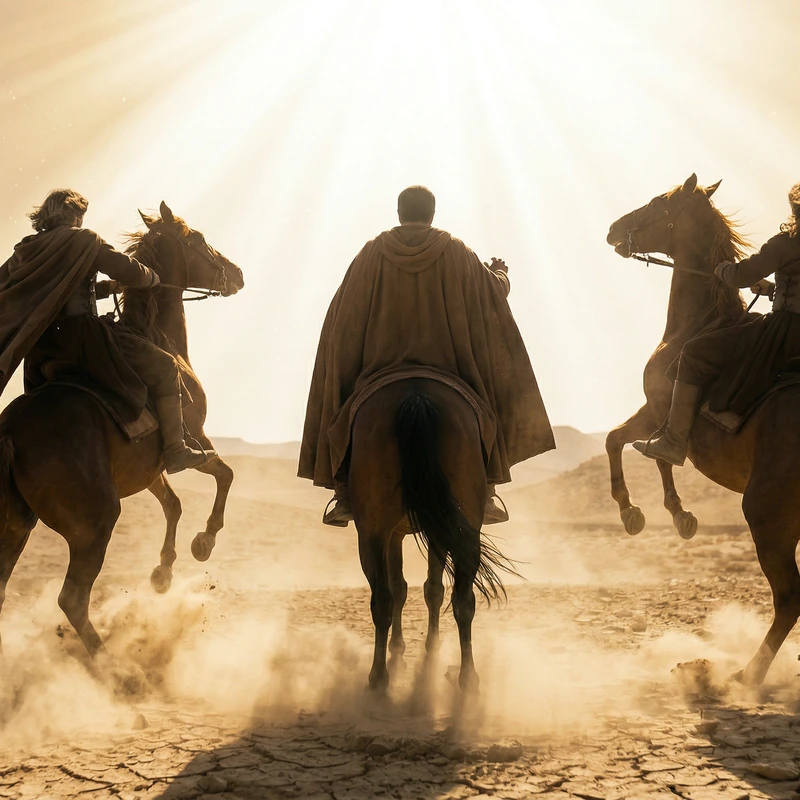
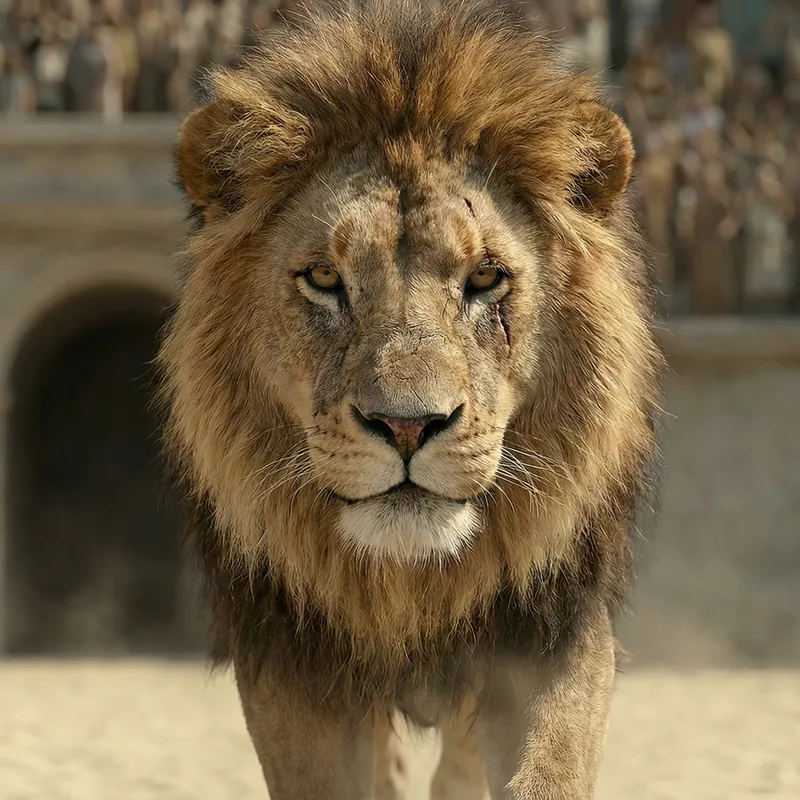


Frames from Rising Embers. See the full student work.
The path
The seven steps to becoming an AI filmmaker
The tools change every quarter. This order does not. It holds whether you teach yourself or train formally.
01
Foundation
Build the visual foundation first
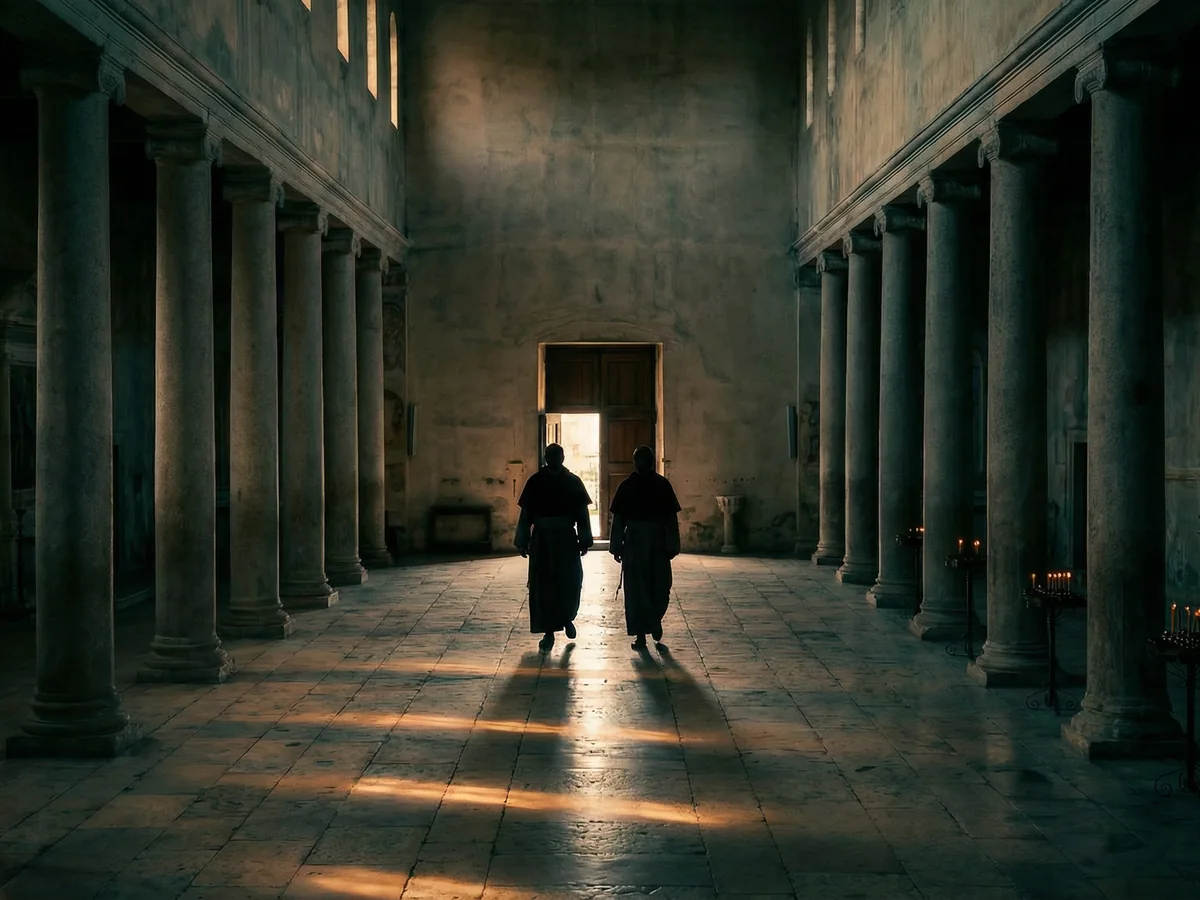
Before any AI tool, learn to see: story, light, composition and camera. This is the step almost everyone skips, and it is why most AI reels look the same.
A prompt is only as good as the eye behind it. Photography and cinematography teach you framing, exposure, the direction and quality of light, and how a shot carries meaning. Creators who own this stand out immediately. Those who chase tools without it plateau within months.
Light and framing
02
Pipeline
Learn the whole pipeline, end to end
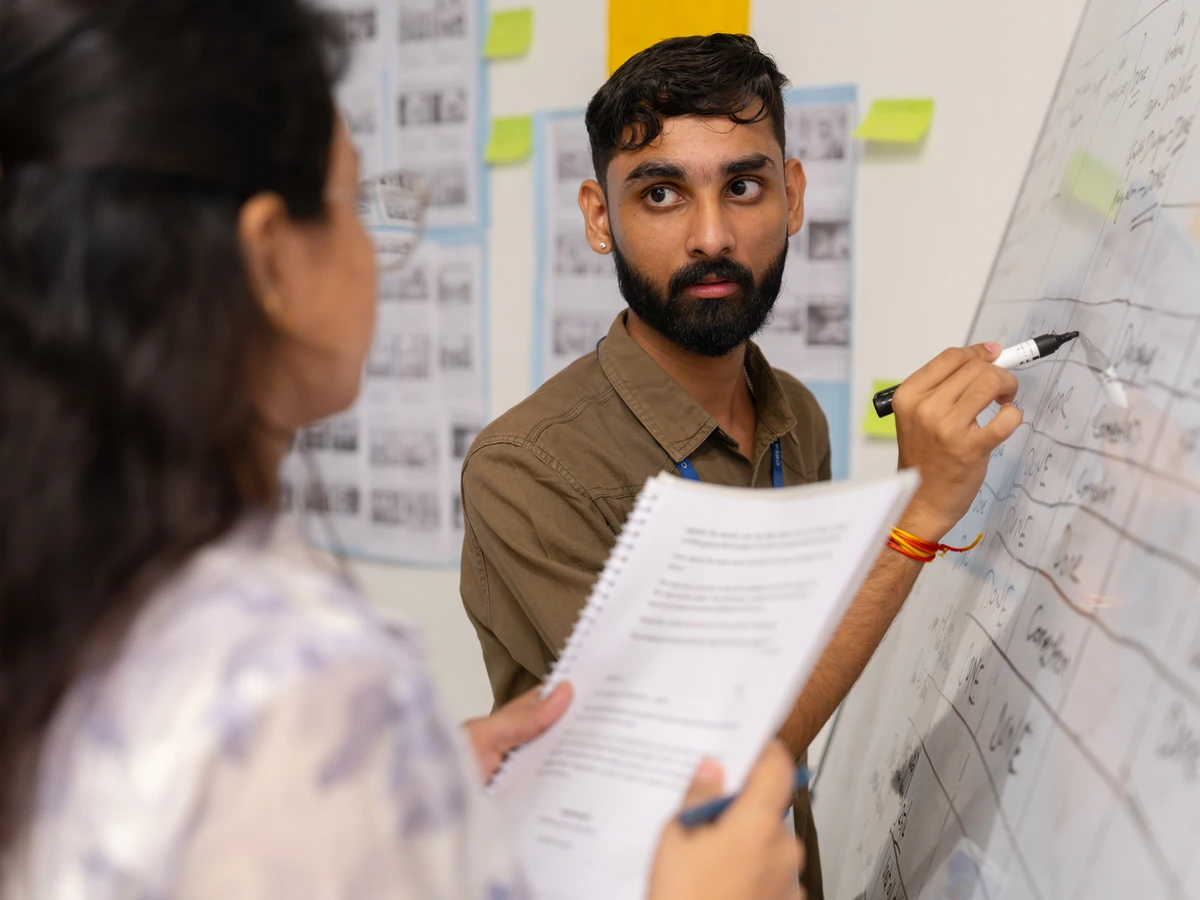
AI filmmaking is a pipeline, not a button: script, storyboard, reference stills, motion, voice, music, sound design, then the edit.
The screenplay stays the source of truth and the renders serve it, never the reverse. Working the full chain is what lets you finish a film instead of collecting clips. For the current stack at each stage, see the AI filmmaking tools guide.
Storyboard to shot list
03
Consistency
Solve character and scene consistency
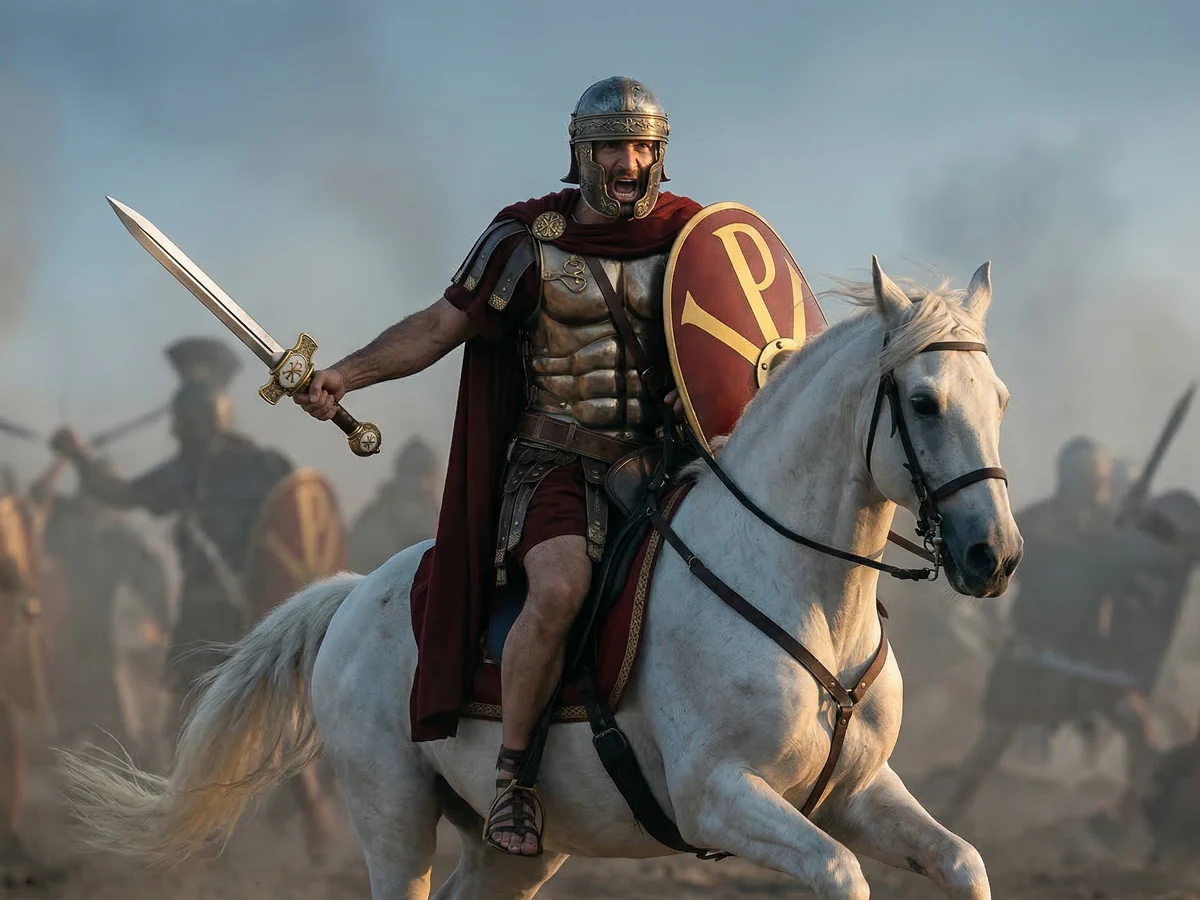
The biggest technical hurdle is keeping a character, a look and a location identical across every shot. Miss it and your film reads as a slideshow.
You build master assets, cast a digital actor, lock locations and style, then reuse them scene after scene. It is unglamorous work and it is where most beginners quit. Learn it early and everything downstream becomes easier.
Same character, every shot
04
Finish one
Finish one complete film
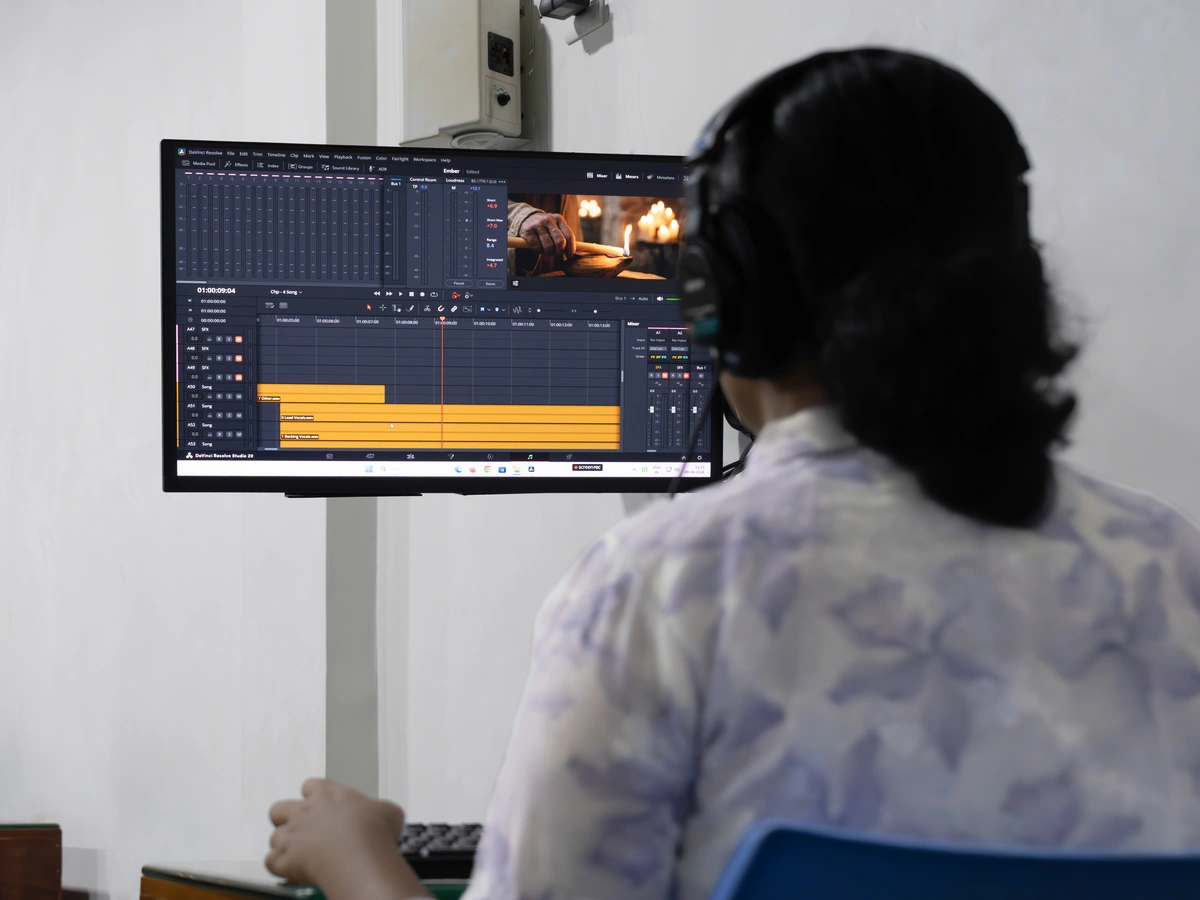
Make one film with a beginning, middle and end. A finished two-minute story teaches you more than fifty isolated tests, because only finishing exposes what you cannot yet do.
Structure it in scenes. Direct it. Grade it. Score it. Sit with the rough cut and fix what fails. One completed film is the moment you become a filmmaker rather than a prompter.
Edit suite, final cut
05
Portfolio
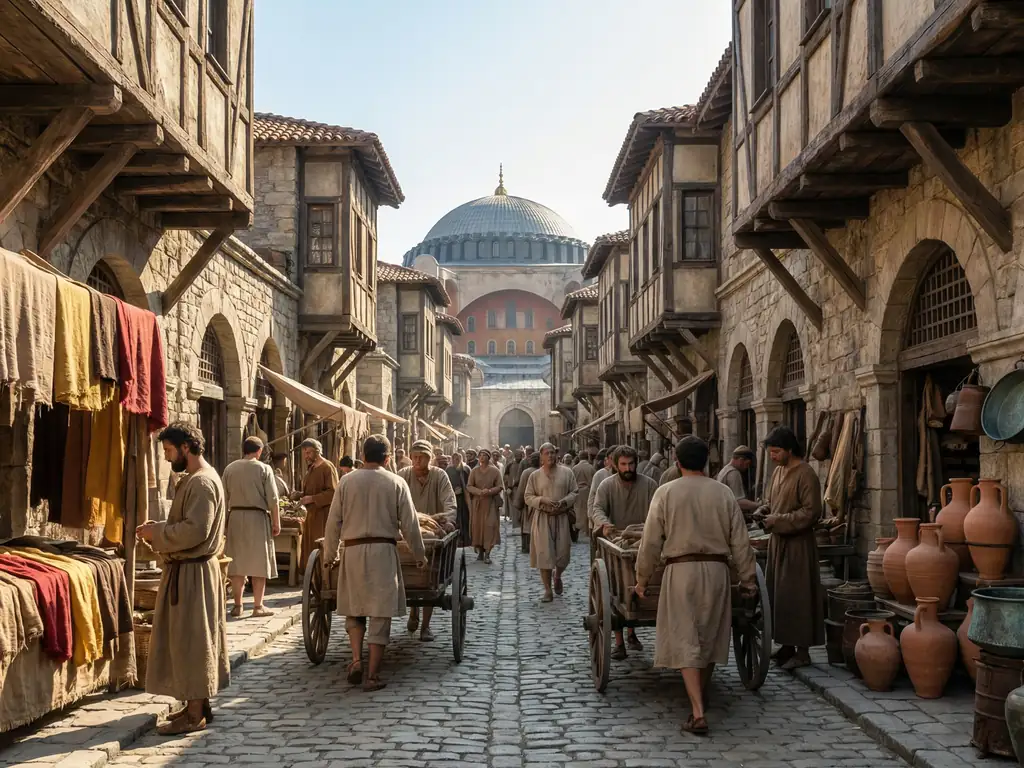
Build a portfolio and publish consistently
Put work online the moment you have one film worth showing, then keep going. A body of work persuades in a way a single hit never does.
Short form travels, so even a strong thirty seconds earns attention. Publishing your process, not only your result, is what builds a reputation in a community that moves very fast.
Student showreel
06
Get seen
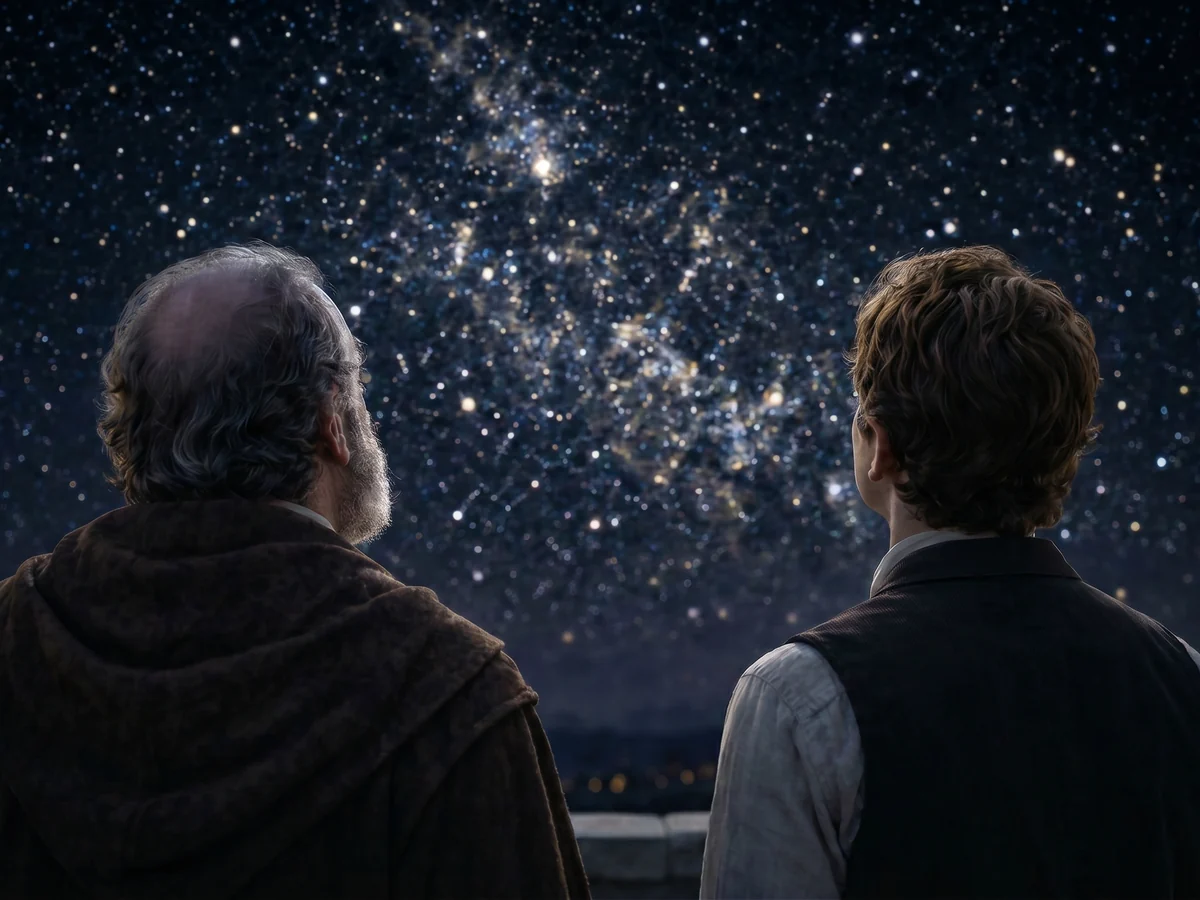
Submit to AI film festivals
Dozens of AI film festivals and competitions now run worldwide, including Runway’s AI Film Festival in New York and Los Angeles, the World AI Film Festival in Cannes, the Reply AI Film Festival in Venice and the AI Film Festival at IFFI Goa.
Festivals are where studios, brands and collaborators find you. Most take entries through FilmFreeway, many are free, and several route winners to theatrical screenings. A selection is a credential no certificate replaces.
Festival season
07
Go professional
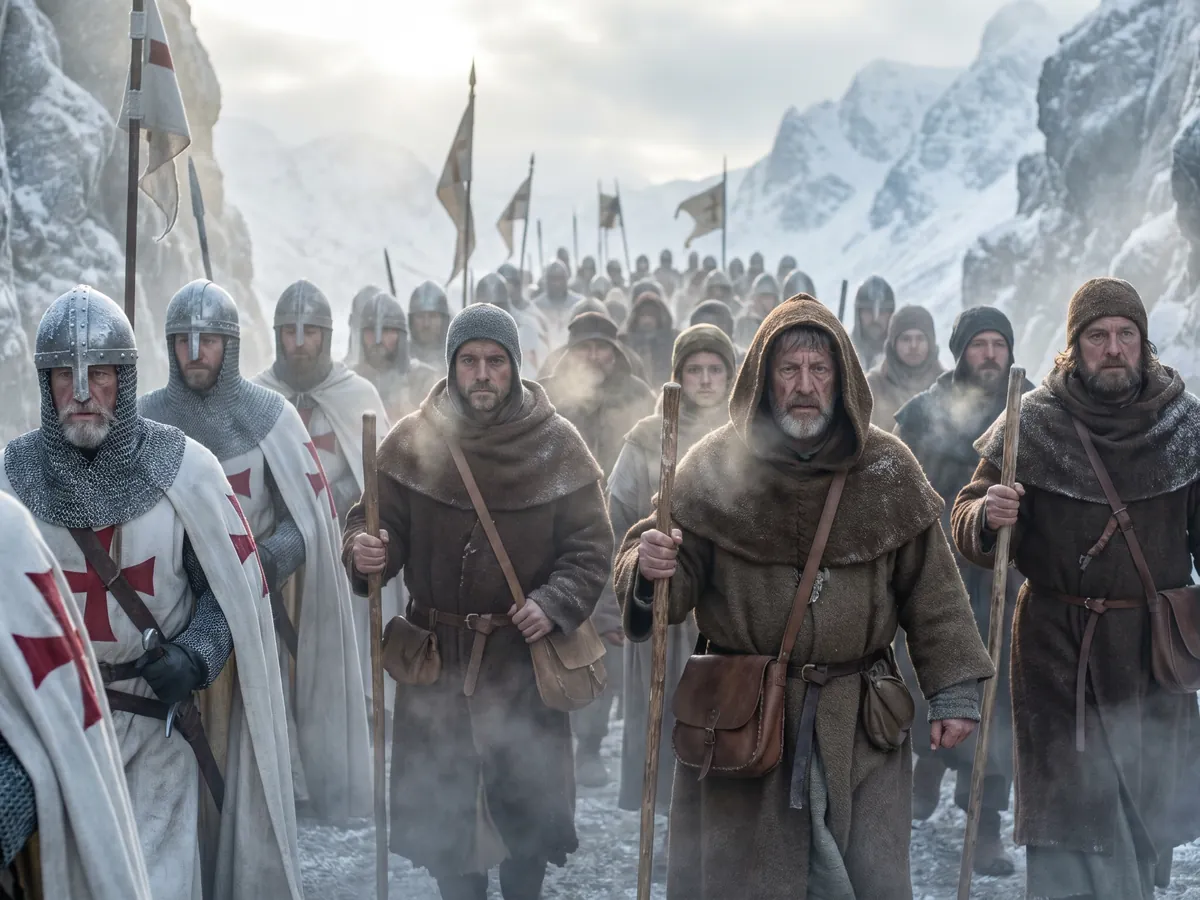
Turn it into paid work
Ad films, music videos, brand content, OTT and independent shorts all hire AI filmmakers now. Portfolio and festival record convert attention into commissions.
First paid work comes from proof, not promises. This page is the path. For roles, who is hiring and what the work pays, read the career guide, and see our placement support.
Paid work ahead
What you actually need
The three layers of an AI filmmaker
Judgement matters most, tools matter least, and the craft lives in the middle. No coding is required at any layer.
Layer 01
The eye and the story
Learned slowly. Never obsolete.
Story structure
Composition
Visual grammar
Light and mood
Colour
Direction
Shot design
Editing rhythm
Layer 02
The pipeline and the craft
Relearned as models change.
Prompting for image
Prompting for motion
Character consistency
Scene continuity
Voice
Music
Sound design
Colour grading
Provenance
Layer 03
The habits that outlast tools
The reason most people stall.
Finishing
Taste
Honest self-critique
Iteration
Patience
Publishing publicly
Two honest routes
Teach yourself, or take one structured year
Both are real ways in. Here is the straight version of each, including where the free route runs out of road.
Teaching yourself
Route A
Teach yourself
Cost
Free to low, tool credits only
Pace
Entirely your own
Foundation
Rarely covered, you must seek it out
Feedback
Comments and community, unreliable
Proof
Whatever you finish alone
Where it runs out: no visual foundation, nobody correcting you, no deadline forcing you to finish, and no credit proving you can deliver at length. Most self-taught creators plateau at good-looking clips.

Gurukul classroom, Mattakkara
Route B
One residential year
Cost
One year, fees on the PDAC page
Pace
Two semesters, foundation first
Foundation
Photography and cinematography, taught first
Feedback
Resident mentors, daily, on campus
Proof
A credit on a real feature film
Where it wins: it compresses years of trial and error, fixes the foundation almost no self-taught creator has, and ends with proof of outcome rather than a promise. This is the Gurukul route.
The honest verdict
If you are disciplined, already have a visual eye, and can hold yourself to finishing, teach yourself. If you know you need a foundation, correction and a deadline, a structured year buys you those three things and a credit. Comparing formal options instead? See AI filmmaking courses in India.
Rising Embers

Mentor with student

Student crew
Proof, not prospectus
We did not write about AI filmmaking. We made an AI feature film.
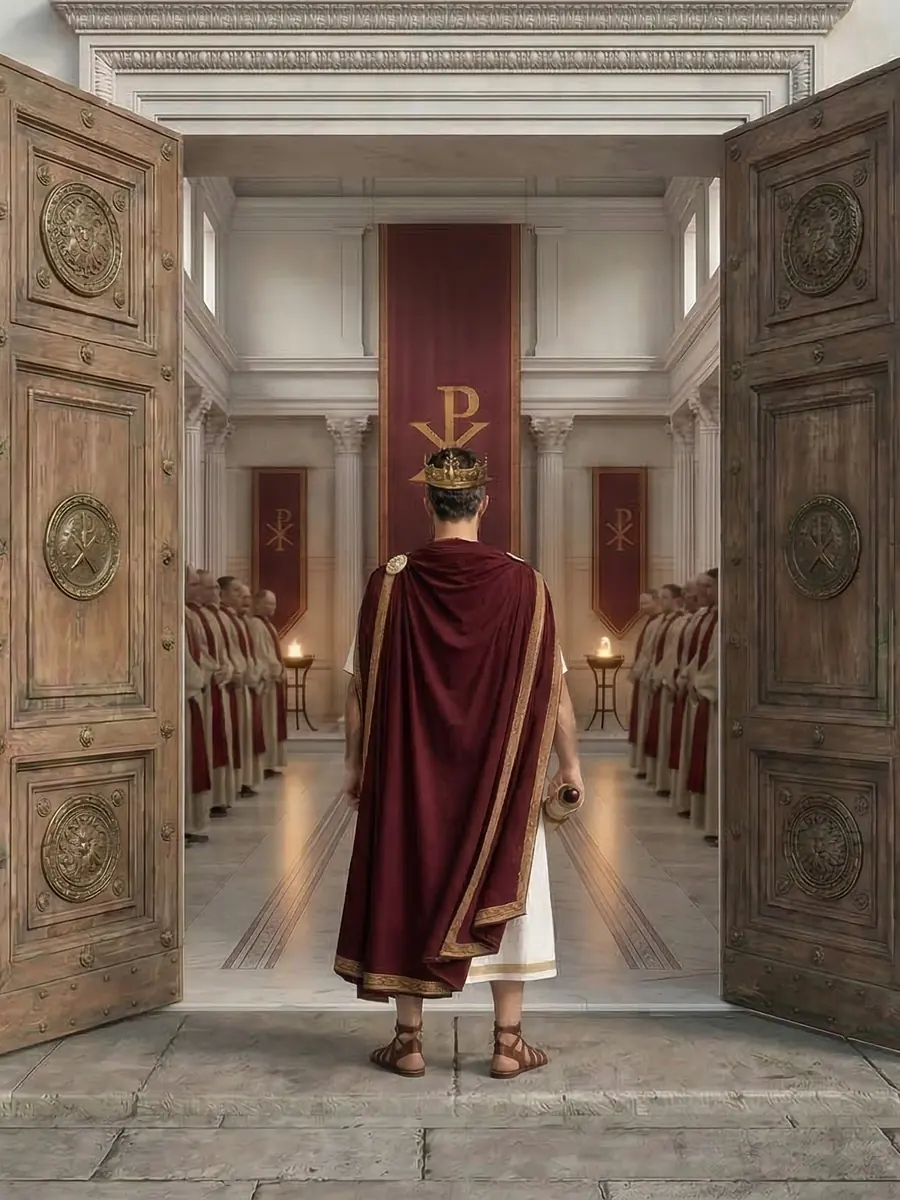
Creative Hut Academy in Keralam produced Rising Embers, the world’s first AI feature film made inside a film school. 130 minutes, made by 20 students and 4 faculty in six months, released on 2 October 2026. Every student on the diploma earns a credit on the next one.
130 min
Full runtime
20
Students in the crew
6
Months in production
520+
Alumni since 2007
Common questions
How to become an AI filmmaker: FAQ
Still unsure which route fits? Talk to admissions, no obligation.
How long does it take to become an AI filmmaker?
You can finish a first short film in a weekend and build a reasonable portfolio in a few months of steady work. Becoming employable takes longer. Most self-taught creators need a year or more to build the foundation and the body of work. A structured residential year compresses that into one focused programme.
Do I need a degree or prior filmmaking experience?
No. No degree and no prior experience are required to start. What matters is a visual eye and the discipline to finish films. The formal diploma is open to anyone who has completed Class 12, from any board and any stream, and graduates are welcome too.
Can I teach myself AI filmmaking for free?
Yes, up to a point. Free tutorials, communities and free tool tiers can take you to good-looking clips. Self-teaching usually stalls on four things: the visual foundation, honest feedback, the discipline to finish, and a credit that proves you can deliver a full film. Those are what a structured year adds.
Do I need to know coding?
No coding is required. The skills that matter are creative and visual: story, composition, light, direction and editing, plus prompting and the production pipeline. If you can describe a shot clearly and judge honestly whether it works, you can do this.
Which AI tools should I learn?
Learn a pipeline rather than a product, because the models turn over every quarter and one major tool was discontinued during 2026. You need a language model for writing, an image model for stills, a video model for motion, audio tools for voice and music, and a proper editor. For the current set, see the AI filmmaking tools guide.
Will AI filmmaking still be a career?
Yes, and the shape of it is becoming clearer. Ad films, music videos, brand content, OTT and independent shorts all hire AI filmmakers, while the Academy now requires human-authored screenplays and human performances. That favours filmmakers with real craft over operators who only know tools.
Where can I get my AI films seen?
Dozens of AI film festivals and competitions now run worldwide, including Runway’s AI Film Festival in New York and Los Angeles, the World AI Film Festival in Cannes, the Reply AI Film Festival in Venice and the AI Film Festival at IFFI Goa. Most accept entries through FilmFreeway and many are free. A selection or a win is a genuine credential.
What makes Creative Hut Academy different?
It is a residential photography Gurukul running since 2007, where 30 students a batch live and learn on campus with their mentors for one year. It made Rising Embers, the world’s first AI feature film made inside a film school, and every AI filmmaking student earns a credit on the next feature.
Do I have to label my AI film?
Increasingly yes. The EU requires AI-generated and AI-manipulated video to be labelled from 2 August 2026, India’s amended IT Rules require synthetic content to be labelled, and YouTube asks you to disclose realistic altered or synthetic media. Label your film clearly and keep a record of the tools you used.
Can I copyright an AI film?
Only the human part. The US Copyright Office has said prompts alone are not enough to make you the author, while your own script, selection, direction and edit can be protected. Rules differ by country, so take legal advice before you sell or distribute a film.
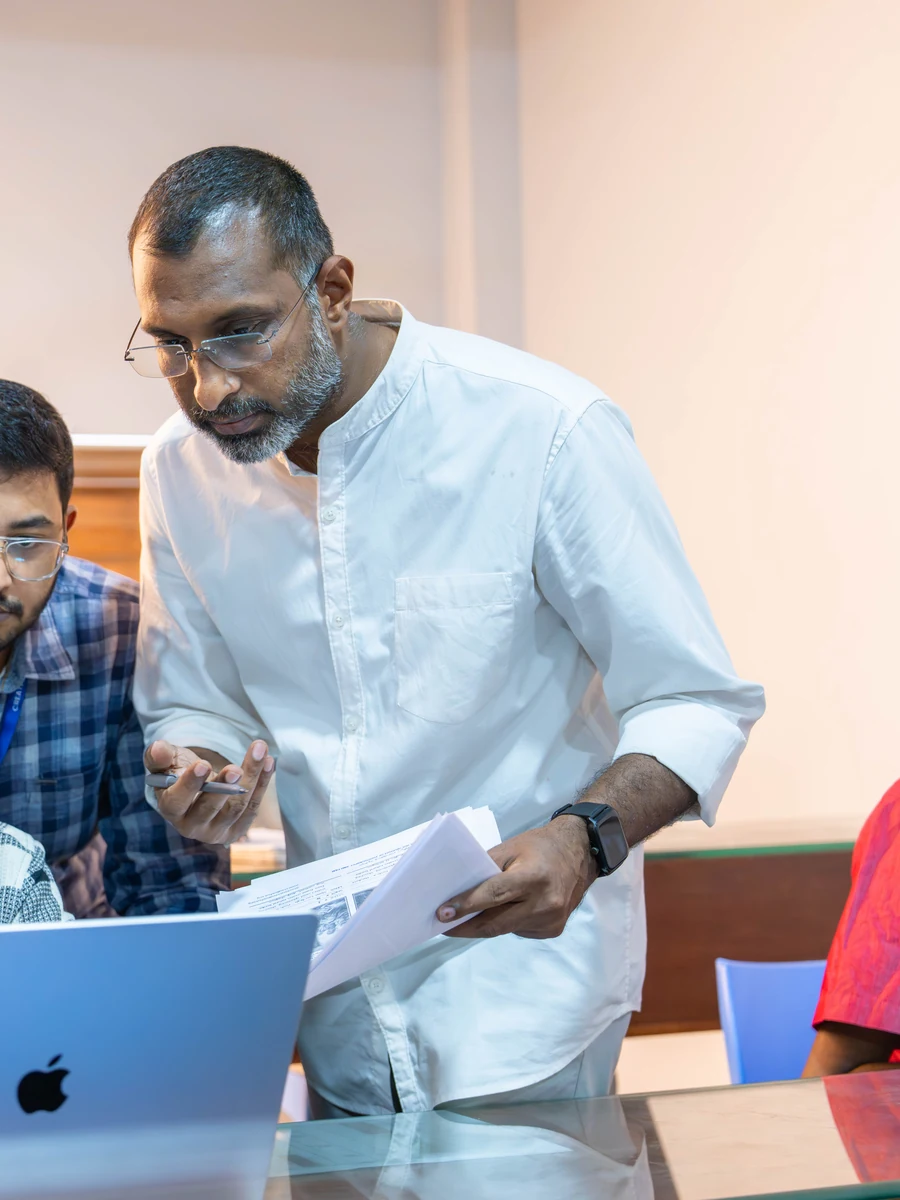
Abin Alex
Written and reviewed by
Abin Alex
Founder and Director, Creative Hut Academy
M.Des
MBA Design Management
M.Sc Visual Communication
25 years teaching
8 years Canon Photo Mentor
Abin designed both diplomas at Creative Hut Academy and directed Rising Embers, the world’s first AI feature film made inside a film school. He has taught photography and cinematography for 25 years.


Sources
Sources and further reading
Every claim about law, awards and festivals on this page traces back to a source below. We start with the Indian rules that bind a film released here, then awards, festival and platform policies, then labelling and copyright abroad.
Indian law and labelling
- IT Intermediary Guidelines and Digital Media Ethics Code Rules, consolidated (MeitY). Defines synthetically generated information.
- PIB press release, March 2026. Labelling of synthetic content and the removal clock.
Awards, festivals and platforms
- TechCrunch on the Oscars rules for the 99th Academy Awards. Human-authored screenplays and human performances.
- IFFI AI Film Festival. The Craft Honors prizes, organised by NFDC with LTIMindtree.
- AI Film Contests, best AI film festivals of 2026. Runway, World AI Film Festival, Reply and more.
- Netflix partner help, Gen AI. Generative AI guidance for production partners.
- YouTube Help, disclosing altered or synthetic content. When creators must label realistic AI media.
Labelling and copyright abroad
- Heuking on EU AI Act Article 50. Labels for AI generated and manipulated video from 2 August 2026.
- IPWatchdog on the US Copyright Office report, Part 2. January 2025. Prompts alone are not authorship.
Start the path
Ready to make films, not clips?
Admissions are open for the one-year residential diploma. Thirty seats, foundation first, and a real feature credit at the end.
Karimpany P.O, Thekkummattathil, Mattakkara, Kottayam, Keralam – 686564 · admissions@creativehut.org · +91 85470 44220
<h1 class='my-heading'>Just some HTML</h1><?php echo 'The year is ' . date('Y'); ?>